
The Weight of the Headset
As we recognize National Public Safety Telecommunicators Week and the well-deserved appreciation for our headset heroes, one of the most meaningful ways to show gratitude is to understand the reality of the role, support telecommunicators through advocacy and recognition, and invest in the tools and resources these first of the first responders truly need.
There is a weight that comes with wearing the headset, and it is not physical. It is the mental andemotional load carried during a call and, sometimes, long after it ends.
It is the sound of someone’s worst day coming through your ears. It is the responsibility of being the calm in someone else’s chaos. It is the quiet knowledge that your voice may be the last steady one a person hears.
When I was sitting in that chair, none of it felt extraordinary. It was the job. Another call, another shift, another moment that needed a response. Like so many telecommunicators, I was not focused on the significance of what I was doing. My attention stayed on what I could have done better, what I might have missed, and the next call waiting in the queue. The work leaves very little room to pause. You keep moving because you have to.
Only after I stepped away did my perspective begin to change.
Distance brought clarity. With that clarity came a deeper understanding of the emotional burden carried in every shift and every conversation. It also brought a stronger appreciation for the people who are still there, still answering the call, still providing calm and control during someone else’s emergency.
From where I stand now, my respect for telecommunicators is deeper than when I was doing the job myself. Before the blare of sirens, before the flashing lights, and before help arrives on scene, you are the first connection. You are often the first sense of order in a moment of confusion and fear.
Even with that immense responsibility, 911 professionals are still fighting to be fully recognized, while the long-standing misclassification of 911 personnel as clerical workers continues to affect the profession. But that reality does not diminish the importance of the work. It makes it even more necessary to say it plainly: what you do matters.
The impact of your voice, your guidance, and your presence reaches further than you may ever realize. Much of what you do can look effortless to others because the job trains you to keep going without stopping to reflect. You take the next call, and then the next. You carry on quietly.
From where I stand now, I see the strength that takes. I see the resilience, the composure, and the ability to manage urgency and emotion at the same time. I see the dedication and sacrifice required to keep showing up, often without the recognition the work deserves.
That is also why the tools behind the work matter.
Technology should do more than document what happened. It should help leaders understand the demands placed on their teams and support the people doing the work through recognition, coaching, and care.
That perspective is why I am grateful to support this noble profession from the other side of the headset, alongside a team that cares deeply about this industry and the people in it.
At Eventide Communications, that understanding shapes how we think about innovation. Our technology is built to help 911 leaders better support their teams with insight that goes beyond information alone.
National Public Safety Telecommunicators Week is an important time to show appreciation, but telecommunicators deserve that appreciation every day.
You make a difference in ways that are not always visible, but they are real and lasting.
Thank you for showing up.
Thank you for being the first of the first responders.
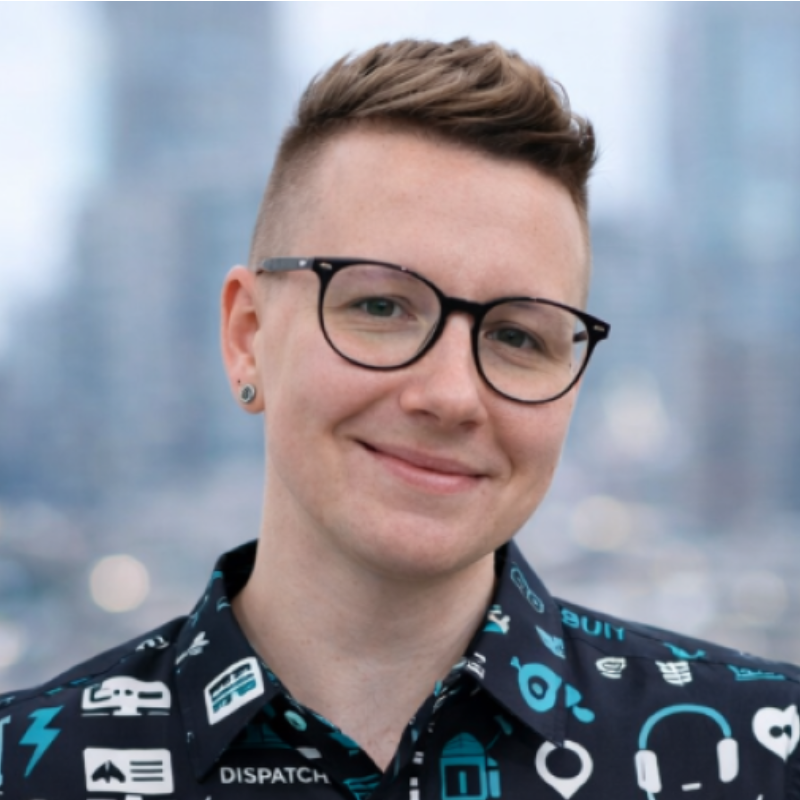
Casey Rives
Client Solutions Consultant – Critical Insights AI
Eventide Communications
LinkedIn: https://www.linkedin.com/in/casey-rives/
With over a decade of public safety experience as a 9-1-1 telecommunicator and hostage/crisis negotiator, Casey helps emergency communications centers apply AI across their full center lifecycle. Her background in crisis response and communications helps her connect technology to the practical demands of mission-critical operations.
In 2021, Casey moved into the technology sector after seeing that many agencies still lacked access to tools such as advanced location services and effective quality management practices. At Eventide, she is the voice of public safety and advocates for solutions that strengthen operations now and for Next Generation 9-1-1. Casey is focused on supporting the professionals under the headset with tools that help them do their jobs more effectively and protect the public.operations.

